Thread #18370450

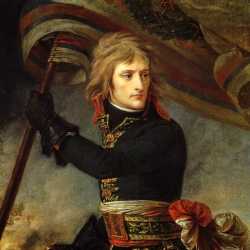
File: dumas-napoleon-1801.png (2.1 MB)
2.1 MB PNG
As opposed to the absolute monarchs of Europe? What do people mean by this? Genuine question
24 RepliesView Thread
 Showing all 24 replies.
>>
>>18370450
The English lens has polluted our perception of him for over 200 years. English kings did fuck all at the time, so they acted like Napoleon doing literally anything was dictatorial.
Of course, the real answer is to ask why being a dictator would be a bad thing, but that's a separate discussion.
>>
>>
>>
>>
>>
>>18370480
Isnt this how you get claims and royal blood? Like Royal families that ruled the lands didnt just spawn in with the kingdoms. Most royal dynasties started by a warlord beating his naigbors and other warlords to become the main guy in the region, thats how dynasties are established, right of conquest.
>>
>>18370466
Yes. One man ruling over others wss quite the scary concept for the elited in history.
Though that had nothing to do with our moral perception on totalitarianism, power back then just was more splintered and declaring yourself as the all-powerful strongman usually brought the rest of the elites against you. Caesar found out the hard way when he tried to declare himself dictator for life, even when the vast majority of people condoned him.
Or Arminius, he also was betrayed and lost support when he tried to declare himself king over the other Germanic tribes. The Germanics continued with this tradition, the Emperor of the Holy Roman Emperor hardly had any more power than a modern European President for example.
True dictators never lasted long, because they usually derive their legitimacy from the people and until the late 19th-early 20th Century where mass literacy, large scale media campaigns and guns (as the great equalisers) changed the social dynamic, the people had no power.
>>
>>
>>
>>
>>
File: 1.jpg (87.4 KB)
87.4 KB JPG
>>18370463
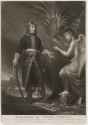
The "English lens" never saw Napoleon as a dictator. The propaganda of the time was more personal than political, and IMO quite funny (there was a recurring theme of Napoleon as a Latin lover who'd seduce fat British women).
Many of the Whigs of the time (who were out of government) viewed him quite favourably, until the Russian campaign:
>[Bonaparte] has indeed no Model but in Antiquity. Fortunate young man; he should himself desire to vanish from the earth, that the honours of an apotheosis may be conferred upon him whilst his fame is still recent and that he may cease to be an object of jealousy and apprehension to inferior men.
This was written and the pic rel commissioned by a Whig MP in 1796.
>>
>>
>>
>>
>>
>>18371033
Iirc the french navy was largely rebuilt by 1814 but due to severe braindrain (both losses due to persecution in the wake of the revolution and due to combat), Napoleons disinterest/disappointment in the navy and the fact that those ships were all scattered throughout many blockaded shipyards no major french naval action was undertaken after 1805.
>>
Dictator basically means "usurper".
Monarchs were the true sovereigns by law, and (if you subscribed to absolutism) divine right.
A dictator, by contrast, only holds sovereign authority by usurping it with force of arms from its rightful owner.
>>
>>18370466
Dictator was actually an official position in the Roman government. It was a temporary position of absolute authority in a time of crisis. Usually the Senate would declare a vote to appoint a dictator for a specified time, and then the chosen person (basically always a Senator or retired Senator) would either accept or decline the post and voluntarily give up the power when the crisis past, or when the term expired. Dictators were seen as an extreme measure, but the modern negative connotations around the term didn't exist for the Romans. There were several instances of Dictators in Roman history, and most of them were sanctioned by the Senate and obediently gave up power when the crisis or term expired. Julius Caesar is the notable example, and likely the reason "dictator" became a contentious post and concept afterward. Caesar declared himself "dictator for life" essentially placing himself above the legal body of Roman government indefinitely.
>>
>>18370590
The concept of "royal blood" is one that takes many generations to develop. A newly crowned king of a newly forged kingdom, for instance, doesn't base his kingship upon his lineage but upon his realpolitik authority: his ability to sway people to swear fealty to him, and his military might to subjugate others. That works for him, as the conquering king, but what about his successor? Usually, a king who is competent enough to win himself a throne through political machinations and warfare is also savvy enough to realize how much luck is involved in that, an therefore how uncertain his dynasty's future is, if he simply leaves it up to chance. So a wise founder of a new royal dynasty takes steps to cement his rule in the minds of the people, so that his successors will not be forced to constantly battle for control of the throne and can instead rule in peace.
Hence, the concept of "royal blood". It restricts inheritance to the throne to his bloodline, and further narrows down who is allowed to marry into it. It takes a great deal of power and influence to get people to go along with this idea, so getting the various institutional powers of the realm to back it up is necessary in the early days of the kingdom. The leading vassals must be seen to accept it, the clergy / temples must accept it. If these powers acknowledge the king's bloodline is sacrosanct (to an extent) then who are the common people to object?
>>
>>
>>
>>
>>18370463
What a modern perception you have, might I remind you the French Revolution and its lamentable follow up, the “Reign of Terror,” killed many innocents, and there was much English sympathy for the victims and clandestine help for those nobles who had avoided the guillotine.At that time, the only legitimate rulers were Kings, and Liberal Dictators were considered a bad thing