Thread #25116105

File: JoyceUlysses2[1].jpg (124.8 KB)

124.8 KB JPG
I started reading Ulysses today.
What is the best analysis/commentary on it?
I finished the first chapter and understood maybe 30% of it.
15 RepliesView Thread
 Showing all 15 replies.
>>
>>25116105
>understood maybe 30% of it.
You are doing fine, not supposed to be autistic about it, there is no deep hidden message in the references and context provides what is important to understand. The point of all those details and references that no one will get all of is is to make the book different and unique on every read because on each read you will get different things and interpret things you got before differently because you understanding of them will have changed since the last reading and your knowledge in general will have changed.
>>
>>25116105
Stuart Gilbert's Ulysses: A Study was written under supervision by Joyce himself, and is the one guide I recommend. Gifford's annotations are good if you want better elucidation of a specific passage but it is first and foremost a reference book not really meant to be read cover to cover except by hardcore fans.
Understanding 30% of the first chapter is not bad. If you find that you're enjoying the parts you don't understand, I would nudge you towards reading the whole book with minimal commentary, as you can always read commentary on rereads. The real test of whether or not you can read all of Ulysses raw should be whether or not you enjoy reading the third chapter, Proteus, as you'll likely understand very little of it. The first time I read Proteus, I understood basically nothing but still regard it as one of the great reading experiences of my life.
>>
>>25116105
https://www.joyceproject.com/1
just read the notes from here and you'll be fine
>>
>>25116105
There are always many layers to great literary works, and you could spend probably a good chunk of your life dedicated to reading scholarly works that study Ulysses or any other book of similar level.
I think you don't need to worry about how much you understand, but let yourself go and enjoy the book. Ultimately, literature should be fulfulling, if not always fun. If you still want to know more about it, do go on to read more about it, but never after you complete a first reading. Why? An intent to understand every chapter deeply will make it more likely it that you will never finish, if you need to read critical works after each chapter.
Finish the book first. Don't worry about how much you understand. If you want to know more, maybe do a second reading, ideally after a few months, and after reading critical works. Like someone else said, Gilbert's Ulysses is ideal, but pretty long. "James Joyce: A very short introduction" has a good chapter on Ulysses; The Argument of Ulysses by Stanley Sultan is also good.
>>
File: annotated.jpg (2.7 MB)
2.7 MB JPG
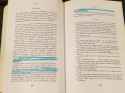
I own the Penguin Modern Classics Student Annotated edition. At the back are 300+ pages of great notes and summaries of each chapter's plot, as well as relevant parallels to Homer. It's certainly not the best commentary on the book, but for introductory notes for someone reading the book for the first time, they are extremely useful.
>>
>>
>>
File: IMG_7308.jpg (266.8 KB)
266.8 KB JPG
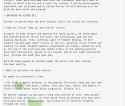
I think “ouns” might just be the E-text corrupting “guns” or something. But this and the reference which I assume is to St. John Chrystostom are the only things here I don’t get. The former because it’s a new word and the latter because I just don’t get the joke. Should I read this book?
The way it sounds is like you just need a good liberal arts and classical education or something.
>>
File: shatner_horrified.jpg (126.7 KB)

126.7 KB JPG
>>25116340
>mfw agenbite of inwit
>>
>>25116384
Chrysostemos is Greek for "gold-mouthed," which was a term long used to refer to eloquent speakers. This is probably how St. John Chrystostom got him name. The joke in the novel is that Buck Mulligan fancies himself a golden-mouthed and supremely funny orator, while in reality the only think golden about his mouth is his yellowed teeth (at least from Stephen's point of view).
"ouns" in "blood and ouns" is another way of saying "wounds" i.e. "blood and wounds [of Christ]"
>>
>>
>>
>>
>>25116486
I know it is, which is why I put that word in quotation marks, they don't see it as a demonstration of self-indulgence but an admission and advocation of it. Like SJWs assuming a comedian is pro-racism because he puts on an accent to play a racist character in an act.