Thread #2861109

File: file.png (1.7 MB)

1.7 MB PNG
Realistically is there a way to fix this?
81 RepliesView Thread
 Showing all 81 replies.
>>
>>
>>
>>
File: 1771011223701.png (1.1 MB)

1.1 MB PNG
>>
>>
>>
>>
>>
>>
>>
>>
File: 2tax64_Cacti.png (602.7 KB)

602.7 KB PNG
>>2861112
Good thing tree diversity is not the only kind of biodiversity
>>
>>
>>2861140
nta but its a ridiculous chart
what defines a tree? how big are the areas that its looking at? if its looking down to square feet then of course its going to only have one species in it. if it looks at square miles than having only one tree is much more interesting but still not crazy
the chart is trying to say that the entirety of nevada has only half a dozen tree species in it but then doesnt define a tree
>>
>>
>>
>>
>>
>>
>>
File: Screenshot 2026-02-13 at 11.30.28 AM.png (2.1 MB)

2.1 MB PNG
>>2861112
Indeed.
>>
>>
>>
>>
File: ringtail.jpg (99.1 KB)
99.1 KB JPG
>>2861198
Me irl
>>
>>
>>2861109
what the fuck kind of range is "between 1 and 138" with nothing labeled in-between? also there isn't a single state in the country that doesn't list dozens species of local trees when you search "types of trees in [state]"
>>
>>
>>
>>
>>
>>
>>
File: WolfBuff.png (1.9 MB)
1.9 MB PNG
>>2861198
based
>>
>>
>>2861112
OP's map is for tree diversity, not biodiversity. Obviously there are fewer species in mixed forests and coniferous forests of the NE then the swamps of the south and far fewer trees in the plaines and desert of the west then the forests of the east coast.
I basically have no idea what OP thinks the actual problem is.
>>
File: d9o3xl0d2yf11.jpg (2.2 MB)
2.2 MB JPG
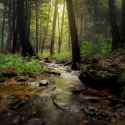
I traveled out west once. It was crazy to see the same Doug Fir tree just copy pasted everywhere like that. Here in New England we have dozens of trees with different characteristics and uses. Some produce edible nuts. Some are excellent for making bows and arrows. Some produce bark that is ideal fire tinder. Some are light but reasonably strong for construction. Some produce boughs that are good for shelter craft. In the East your whole life as an outdoorsman revolves around understanding trees. Seeing places that have no trees or just one or two species of weak softwoods was a big culture shock and I don't know how early humans even survived in places like that. You need good wood.
The east coast has always seemed like "real" nature to me, where biological life is well adapted and winning, whereas the West is like this place where life is struggling to survive because of altitude and lack of water. That's the impression I get.
>>
File: WIN_20210702_15_23_04_Pro (3).jpg (199.1 KB)

199.1 KB JPG
>>2861109
This is weirdly accurate to my experience. Northwest Indiana is peculiarly rich in arboreal variety. I used to live within easy walking distance from a 600 year old oak, and 3 minutes drive from a nature preserve of dizzying variety. Even in densely developed Munster, there are some easements of ridiculous botanical range, mostly accidental as that goes.
>>
>>2861324
My guess is that it's a consequence of being pinned directly under Lake Michigan in the path that warm/cold fronts usually take out of the northwest. That little corridor gets a shit ton of rain/snow, I drive through it all the time.
>>
File: 20250719_122539.jpg (2.4 MB)
2.4 MB JPG
>>2861322
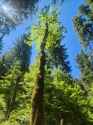
No idea where you travelled out west but it sounds like you weren't out there much. In Southern Oregon I see plenty of different trees. Fruit trees, nut trees, hardwoods, soft woods you name it. I have a feeling a lot of east coast people must not be able to tell the difference between different species of conifers either I constantly hear about how they think all the trees look the same. Red cedar, fir, pine, hemlock etcstera do not look the same if you have any knowledge of trees at all. Even in higher elevations up in the Cascades I'll find a variety of trees ranging from Madrones, to Elder, to Maples, to Firs, to Cedars, to Chestnuts. That's just the trees, and that is off the top of my head of what I would see on one trail. Not to mention the uncountable varieties of wild flowers, grasses, shrubs, ferns, fungi, lichens, birds, mammals, lizards, snakes, frogs, salamanders and what have you. I hiked in that area for years and still continue to find things I haven't seen before. And I can visit hundreds if different kimds of landscapes with different biological and geological makeups from low altitudes to high altitudes, be it in the volcanic mountains of the Cascades or down in the marshes and foothills and meadows in the valleys, or in the rugged rolling hills of the Siskiyous they all have a prettt diverse biological makeup and they are all different from each other. It genuinely seems like east coasters have a pretty shallow view of how it is out west.
Picrel is all the same tree copy pasted. It was the first relecant picture on my phone I could find
>>
>>
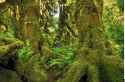
File: westernforest.png (3.1 MB)
3.1 MB PNG
>>2861322
>there is only one kind of tree out West
lol
>>
>>
>>2861355
>Most of the West is barren because the Rockies block moisture bearing clouds.
Moron
>>2861366
Even this isnt true, the rockies dont really have a rainshadow effect. Most of the moisture comes from the northwest along the spine or southwest through the driest areas from the monsoon and focuses on the mountains, and some from the big systems on the plains.
The sierra nevada on the other hand do create a large rainshadow known as Nevada
>>
>>
File: stateendemic20110317-t.jpg (28.4 KB)
28.4 KB JPG
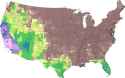
Under-apprecieated in the discussion of land diversity is endemic species. Even in places like>>2861324 there may be great diversity but there isn't really anything there that you can't find anywhere else.
But in california, with some of the highest number of endemic species as well as high diversity, you can spend a lifetime and never see them all. Each park, blm parcel, ranger district, wilderness all have their own endemic wildflowers even if separated by a single ridge
>>
>>
>>
File: 1767972518635.jpg (57.2 KB)
57.2 KB JPG
>>2861374
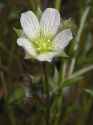
Big fan of looking for endemic species in the northwest. I visit all around northern California and southern Oregon and there's almost always a new one to find if I go somewhere new.
Picrel is Dwarf Wooly Meadowfoam endemic to the area around the Table Rocks about 5 minutes from where I work
>>
>>
>>
>>2861411
there isnt even a nevada guy kek
im the one that posted the first mention of it (its the only american state i know thats mostly blue in ops photo), and the other anon that mentioned it isnt me
theyre seeing ghosts basically
>>
>>
>>
>>2861443
Nta but OP also gets minus points for being retarded and clearly demonstrating that he just doesn't go outside. Those two are 2000% more /out/ than OP. Anyone can glance at OP's infographic and go "Wait a minute...". Notice that OP didn't even answer any of the pertinent questions anyone asked.
>>
File: Screenshot 2026-02-17 at 9.59.58 AM.png (3.7 MB)

3.7 MB PNG
>>2861355
>Oregon is completely different
>NOOOO you cant talk about the PNW forests -thats cheating
>picking and choosing what is "the west"
This is a deliciously fine example of Eastoid cope. Truly desperate lol
>>
File: 1767316319227.jpg (947.3 KB)

947.3 KB JPG
>>2861456
I think this cope is hilarious especially due to the fact that the PNW is in fact farther west than their very narrow definiton of western /out/. It's like all they know about the US west of Missouri are John Wayne movies.
>>
>>
>>
>>2861458
I think you have to keep in mind that the average poster here doesn't really get out much. Unfortunately there are a lot of posts here that indicate people don't have any familiarity with /out/ activities. It's a stretch for an eastcoper to imagine what the West is like, let alone attempting to imagine what /out/ would be like. It's kind of sad to see people fumble like that, honestly.
>>
>>
>>
>>
>>2861377
Thats because there are mountains west of the divide for the precip to fall on but not east. no rainshadow effect because the mountains do not block the precip from crossing. They bring the precip. The front range is lusher on the east side than the west, and the most common summer storm pattern in that area is for the storm to form over the front range and then roll off east to the plains
>>
>>
>>2861112
Bio diversity for the sake of bio diversity is as retarded a notion as it gets. Do you have a functional ecosystem with a complete food chain? Does your ecosystem go through proper cycles according to your climate, and geography?
>>
>>2861735
you make zero sense whatsoever. the front range and all of the western mnts of CO are much wetter than the plains to the east which it rain shadows.
>summer storm pattern
The rockies of CO get most of their precipitation in winter.
>>
>>
>>
>>2861791
You have no idea what you are talking about. The whole state gets most of its precip in the summer. The front range gets nearly 4 times as much precip in august as it does in february. On the other side the san juans get about twice as much precip in july as they do in feb.
Also, Limon, CO, out in the middle of the plains in the east, gets more precip yearly than Cortez or Grand Junction in the west.
>>
>>
File: Screenshot_20260221_103830_Chrome.jpg (145 KB)

145 KB JPG
>>2861841
Your map shows the driest parts of the state to be....in the western half lmao. The precip is all just concentrated around the mountains, not on one side of them. There is even a lot of green southeast of denver which is east of the mountains.
And yes the state does get most precip in the summer. Pic is Co springs, jan to dec then the total. That pattern is consistent across the state, with some in the west also getting a lot in april/may. Try to find me any climate data for a town in CO that has the most precip in the winter, just try. You realise a foot of snow isnt a foot of precip right?
>>
>>2861740
>Bio diversity for the sake of bio diversity is as retarded a notion as it gets
Boy I sure love driving a hundred miles and still seeing the same plants
I love going on vacation to a different state and still catching the same bass and bluegill I can catch at home
>>
>>
>>
>>2861186
I found a prairie prickly pear cactus patch happily growing a few hundred feet from the Wisconsin River
It was the first wild cactus I had ever seen, I was very surprised. I had no idea cactus grew anywhere near my state
>>
>>
>>
>>
File: graphic_armadillo.jpg (114.7 KB)
114.7 KB JPG
>>2862420
>you can’t just say “I want more biodiversity
Yes you can. Nature isn't perfect.
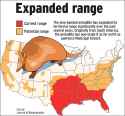
Half the US was covered in a glacier in the last ice age. Plants and animals are expanding their range every year and colonizing new places.
Many coastal rivers that drain into the ocean barely had any freshwater fish until fish stocking programs.
Look at Ascension Island. That literally was a case of people saying "we need more biodiversity" and turning a volcanic rock into a tropical jungle.